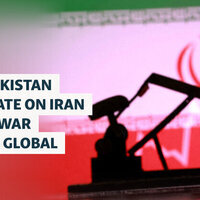


China and Pakistan vowed to "strengthen strategic communication and coordination" as they seek to help broker a deal to end the war in Iran, now in its fifth week with no clear end in sight.
Pakistani Foreign Minister Ishaq Darmetwith his Chinese counterpart, Wang Yi, in Beijing on March 31 and reiterated their call for Iran and the United States to work toward ending the war, which has killed thousands across at least nine countries and is costing economies billions of dollars a day.
Chinese Foreign Ministry spokeswoman Mao Ningsaidboth sides agreed to pursue de-escalation and that the two countries will "jointly advocate for peace and justice, and make new efforts to promote reconciliation and prevent conflict."
SEE ALSO:
Iran War Will Reshape Dynamics Ahead Of Trump-Xi Summit, Says Former US Official
Pakistan has emerged as a key player in efforts to broker peace, leveraging its working ties with both US President Donald Trump and longstanding bonds with Iran. The push comes as Beijing and Islamabad seek to position themselves as stabilizing actors while avoiding direct entanglement in the widening conflict.
Darhostedforeign ministers from Saudi Arabia, Turkey, and Egypt in Islamabad on March 29 in an effort to build consensus around a cease-fire and renewed negotiations.
Pakistani officials say the initiative centers on five principles, including civilian protection and maritime security.
"Pakistan is very happy that both Iran and the US have expressed their confidence in Pakistan to facilitate their talks," Dar said in a televised briefing after the talks.
Pakistani Prime Minister Shehbaz Sharif framed the effort as part of a push to position Pakistan as a "credible intermediary," leveraging ties with Washington and Tehran.
China has publicly backed the initiative, with Mao saying following the talks that Beijing "appreciates Pakistan's efforts."
Iran's response has been cautious, though reportssuggestTehran may be using Pakistani channels for indirect communication with Washington.
On March 26, DarsaidIslamabad has been serving as a conduit for message exchanges between Washington and Tehran.
Shipping Disruptions Intensify Diplomacy
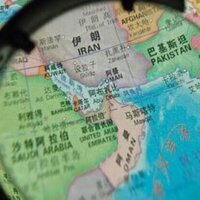
Diplomatic urgency is rising amid mounting disruptions to maritime traffic through the Strait of Hormuz, a critical chokepoint for global energy shipments, particularly oil and liquefied natural gas (LNG).
Shipping has slowed sharply since the United States and Israel launched their military operation against Iran on February 28, with vessels delayed and exports from Gulf producers constrained.
Chinaconfirmedthat several of its ships recently transited the strait following "coordination with relevant parties." Data from MarineTraffic showed two vessels belonging to the Chinese state-owned COSCO shipping company passing through the strait on March 30 after aborting earlier attempts.